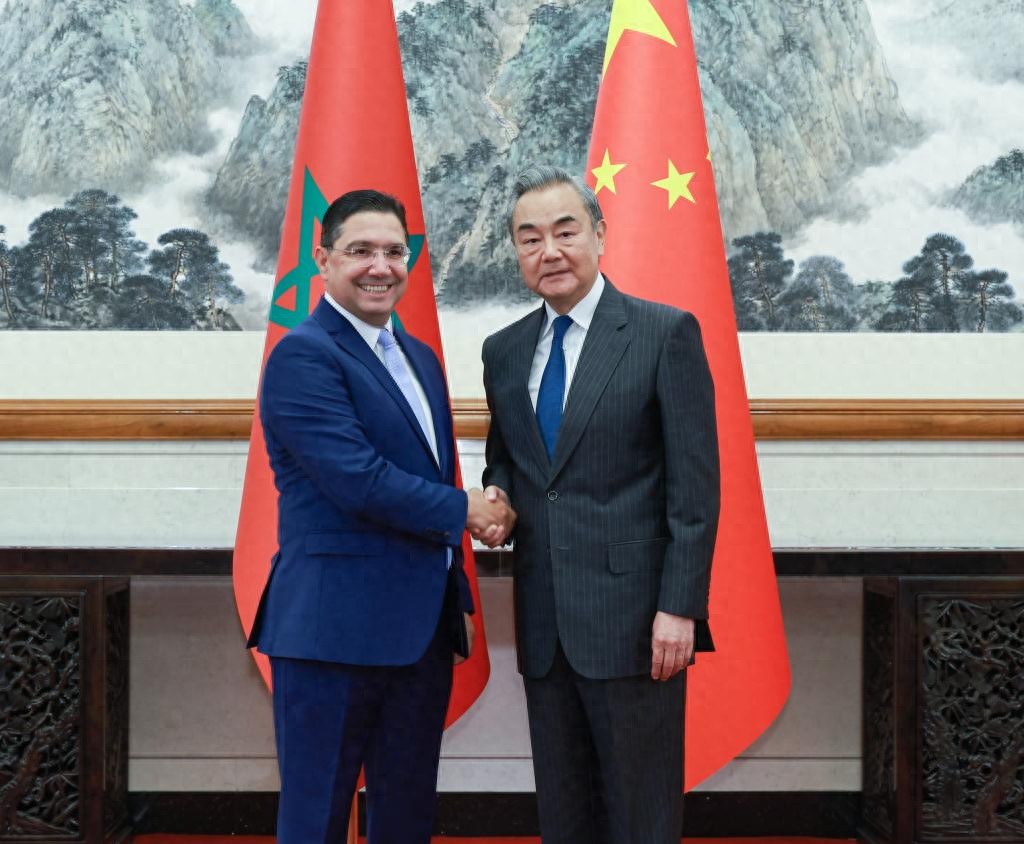

On Sept. 19, 2025, Wang Yi met Morocco's Prime Minister in Beijing to mark a decade of strategic partnership between the two nations. The talks pushed energy, agriculture, and manufacturing cooperation to the next level and sent a clear signal to the broader Arab and African world.
Wang Yi Meets Morocco Prime Minister
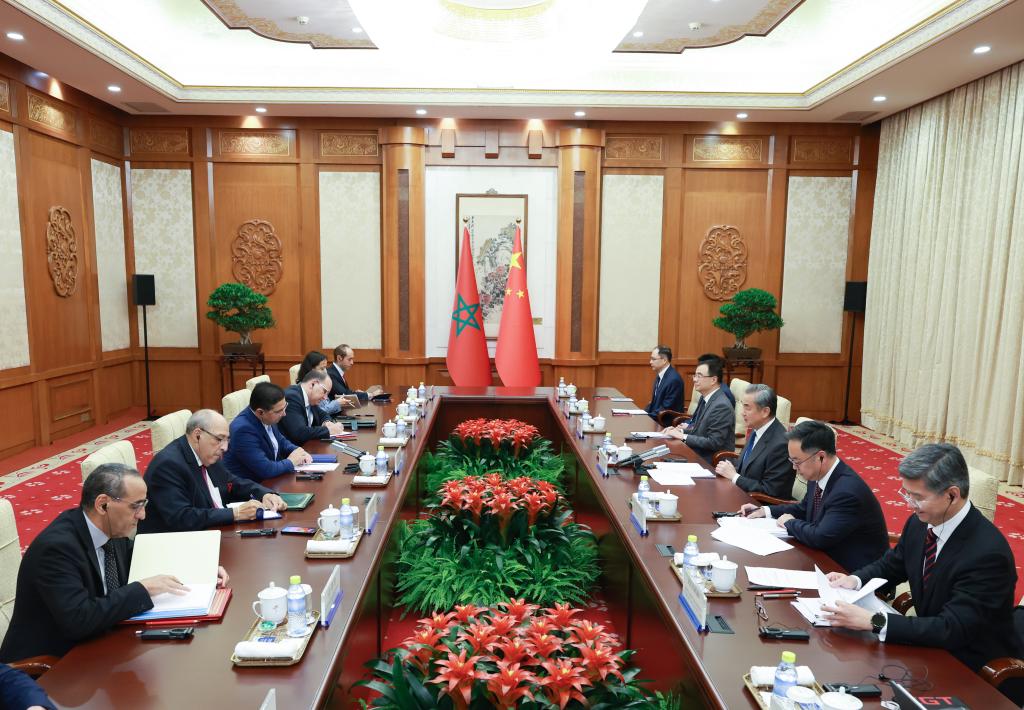
On Sept. 19, 2025, in Beijing, Wang Yi—Member of the Political Bureau of the CPC Central Committee—held talks with the Prime Minister of Morocco. The meeting was timed against the backdrop of the approaching 10th anniversary of the comprehensive strategic partnership, which will be formally celebrated in 2026. Both delegations sat for nearly two hours covering political, economic, and security topics.
During the talks, the Moroccan Prime Minister conveyed warm greetings from King Mohammed VI to President Xi Jinping. He reaffirmed Morocco's unwavering adherence to the one-China policy and its full support for China in safeguarding national sovereignty and territorial integrity, signaling that political alignment between Rabat and Beijing remains firm at the highest decision-making level.
Decade of Strategic Partnership
Wang emphasized that Morocco ranks among the Arab and African nations maintaining the closest comprehensive ties with China. With 2026 marking ten years since the two sides elevated their relationship to a strategic partnership, Beijing views this milestone not just as a birthday but as a window to institutionalize deeper cooperation across trade, technology, and development planning.
The two sides agreed to plan high-level exchanges more systematically going forward and to open a new chapter for bilateral China-Morocco relations as well as broader China-Arab engagement. The anniversary will serve as a launchpad rather than a closing note, with joint working groups tasked with mapping out the next decade of collaboration.
Energy Agriculture and Manufacturing
Under the Belt and Road Initiative framework, Morocco expressed strong willingness to deepen cooperation with China in energy, agriculture, and manufacturing. These three pillars align directly with Rabat's national push to diversify its economy beyond phosphate mining and tourism, moving toward green hydrogen production, agri-processing exports, and electronics assembly lines.
The discussions also covered trade facilitation and investment attraction. Both sides pledged to grow mutual trade volumes and draw more Chinese direct investment into Moroccan industrial zones, particularly the Tangier Free Zone and the Casablanca tech corridor, to build supply chains that efficiently serve both North African and European markets.
Middle East and International Order
The two sides exchanged in-depth views on the Middle East situation and other pressing international issues. Wang stated plainly that China is ready to work alongside Morocco to safeguard the international order in a more just and equitable manner, a line that reflects growing frustration in both Beijing and Rabat with unilateral rule-making by a small group of Western capitals.
As a non-aligned but influential North African power, Morocco's stance on regional conflicts carries considerable weight across the Arab world. China's sustained engagement with Rabat helps it maintain a diplomatic bridge between its African and Middle Eastern partners, a role that no single Western nation can fully replicate on the ground.
Joint Communique Signed
Following the two-hour session, the two sides signed a joint communiqué on advancing the comprehensive strategic partnership between China and Morocco. The document lays out concrete steps in political dialogue, economic and trade cooperation, security coordination, and multilateral collaboration on the United Nations and other global forums for the years ahead.
The event was photographed by Wang Ye for Xinhua, China's state news agency. Joint communiqués of this kind typically guide bilateral working-group meetings in the months that follow, translating high-level political pledges into specific implementation timelines, responsible ministries, and measurable targets that both governments can be held accountable for.
What This Means for Chinese Businesses
For Chinese companies on the ground, the renewed emphasis on manufacturing and energy cooperation in Morocco opens green-field opportunities in solar and wind projects, plus EV battery assembly plants that can serve both North African and EU markets. The government's special economic zone incentives in Tangier make the business case harder to ignore for firms seeking diversification.
The one-China affirmation from Rabat also reduces political and regulatory risk for Chinese investors already operating or planning expansion in Morocco's growing industrial corridors. This is a factor that EU and US competitors may find difficult to replicate, giving Chinese firms a structural edge in winning long-term contracts.
How do you think Morocco's aggressive push into green hydrogen will reshape China's overall energy export strategy over the next five years? Drop your take in the comments, and if you find this useful, hit like and share it with a friend who follows China-Africa business.
No Responses